
Resistance Bands: Versatility Praised, Effectiveness Challenged
Key Takeaways
- Elastic bands are commonly used for resistance training, adaptable training, and physical therapy.
- Elastic bands are affordable, portable, and versatile, making them a great addition for the gym, home workouts, or on-the-go training.
- Several types of resistance bands serve multiple purposes.
- Risks of injury always exist with training, but there are ways to minimize them.
- The effects of bands on fitness are debated, but what really matters is an athlete’s goals and preferences.
- Stay safe, stay consistent.
Resistance bands, or elastic bands, are sold in varying styles and purposes, from strength conditioning and training skills to stretching and physical therapy. Some experts acclaim their affordability and versatility, while others note concerns about effectiveness and safety risks. Regardless of the debate, most gyms have a pegboard wall with numerous sizes and colors for all members to use. In this article, we dive into expert-backed info on bands and the do’s and don’ts of training with them.
| Pros | Cons |
|---|---|
| Affordable: a pack of 3-5 bands costs about $20-30 | Progress hard to track: force measurement is difficult |
| Compact and portable, for home, gym or travel | Bands can snap if worn or badly anchored |
| Versatile: strength, stretching, physical therapy and assisted skills | Resistance is light at the start of a movement and heavy at the end |
| Tension through the full range of motion, with low impact on joints |
Types of Bands
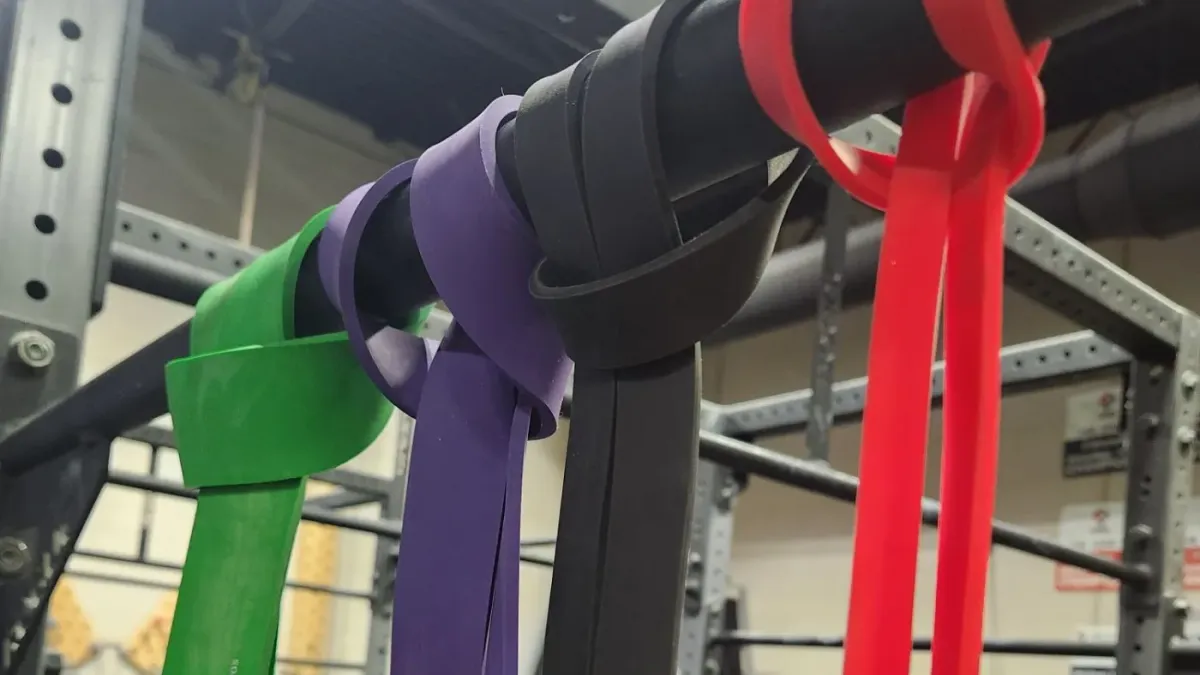
Bands come in all shapes and sizes: tubed bands with handles, short loops, and long loops. Long-looped bands are basically large rubber bands with varying sizes and resistance, such as a ¼ inch or 1 inch. Essentially, the thinner the band, the lower the resistance; the thicker the band, the higher the resistance. You can use these bands in numerous exercises such as banded hamstring curls, banded rear delt fly, and banded overhead press. Short bands are typically much smaller loops characterized by elasticity and color. These are common in exercises like banded wall-sits and banded leg press. Some bands have fixed anchors and retractable pulley systems, as well as Therabands, commonly used in physical therapy.
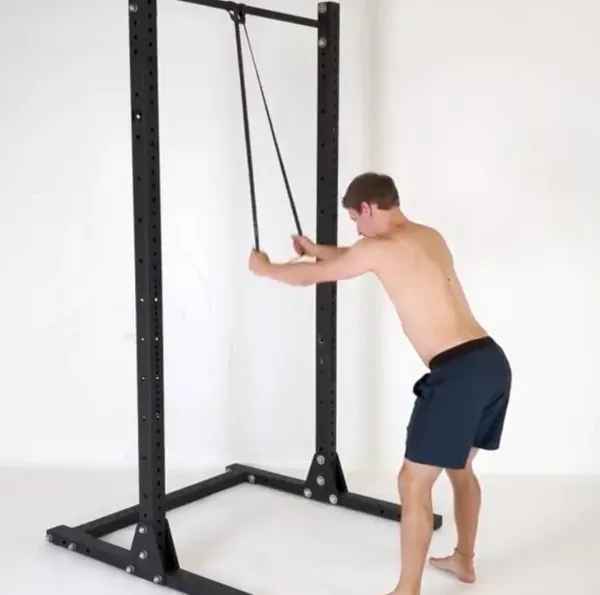
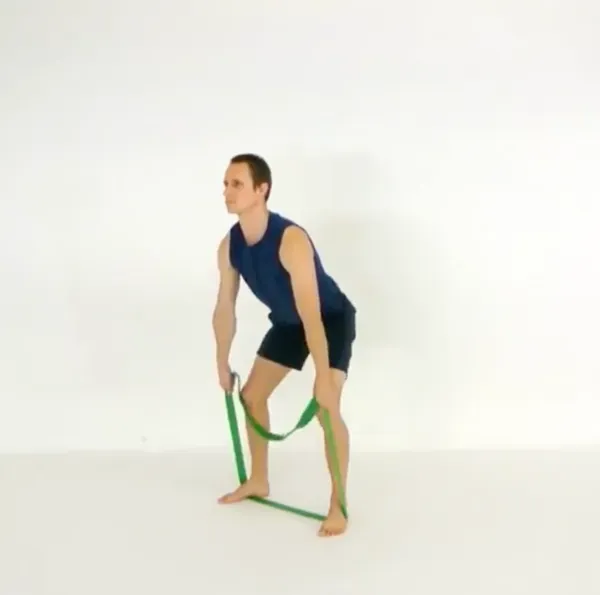
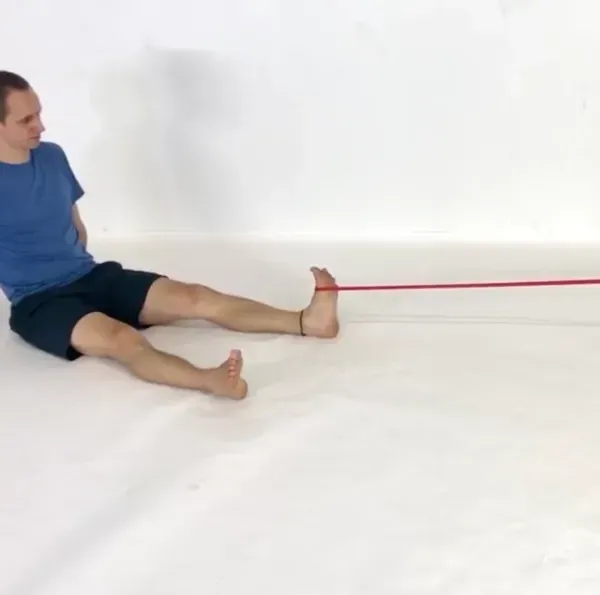

Long and short loops, light and heavy bands, all have a place in well-rounded training
Safety Risks of Resistance Band Training
You may be wondering about their safety beyond the inherent risks of fitness from improper form and regimen. Bands can snap if they’re dry-rotted, torn or worn, and I wouldn’t want to be in the way of that. While safety concerns are an inevitable part of fitness, there are ways to reduce the risk of injury with bands such as purchasing from reputable brands, frequently inspecting them for rips and dry rot, ensuring your anchor points are secure, and never putting a stretched band in front of your face where it could snap at you unexpectedly.
Do Resistance Bands Work?
Whether bands “work” depends on many factors, especially your goals. Along with creating resistance, bands can help athletes achieve skills once thought impossible. If you’re trying to achieve high-level calisthenics skills like a planche or a human flag, simply secure a long loop band to an anchor point (like the top of a fitness rig or monkey bars at your local park) and utilize the stretched bands to take some of your weight. For example, the assisted human flag and assisted planche. This allows athletes to train these skills while still conditioning their muscles. If you’re not quite ready to be a human flag, bands can help you accomplish skills like the pull up or dip. Remember that no band can catch you if you fall or reach muscle failure mid-exercise, so ask someone to spot you to reduce your risk of injury, especially when attempting a new skill!
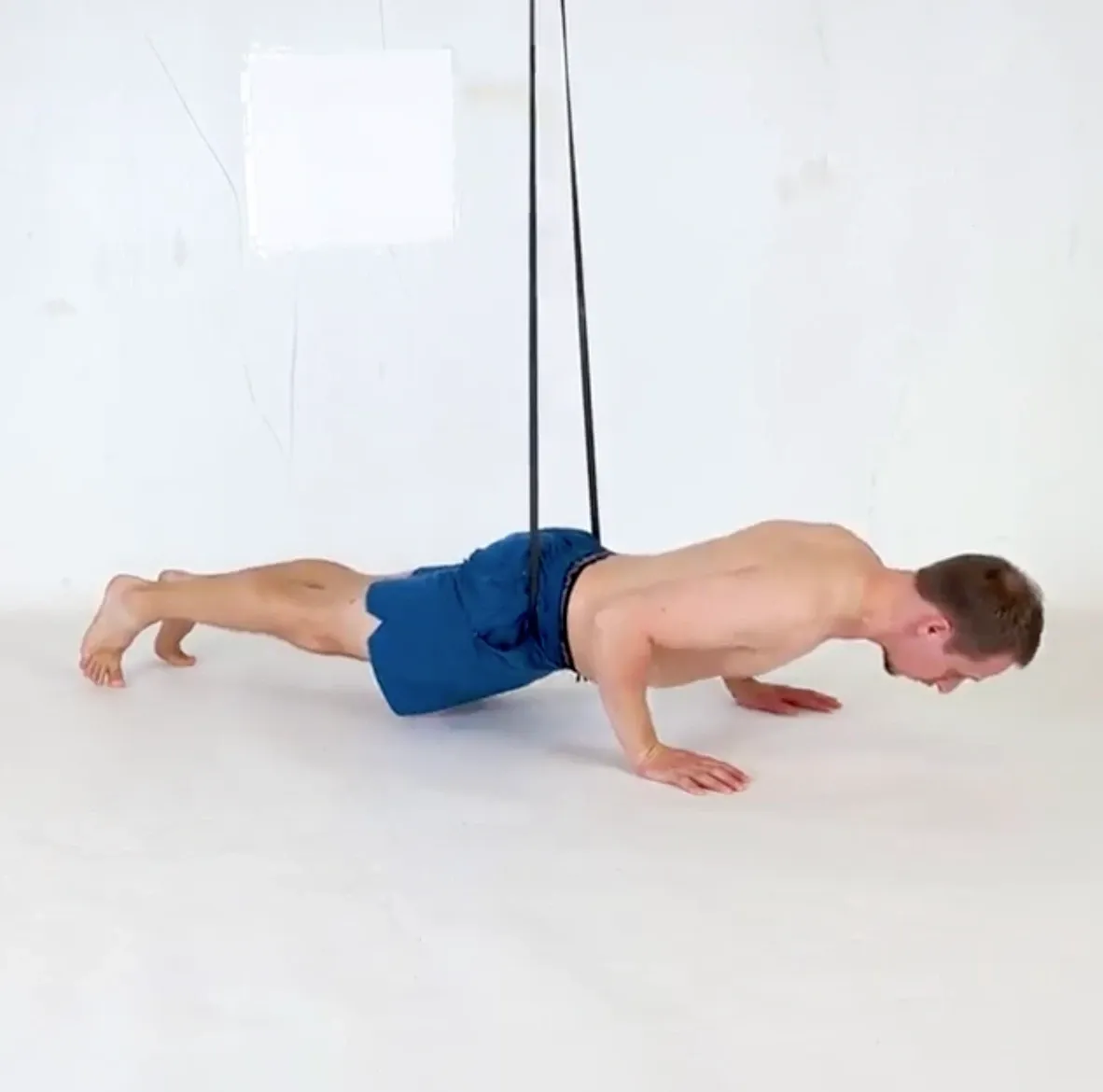
Band-assisted pushup
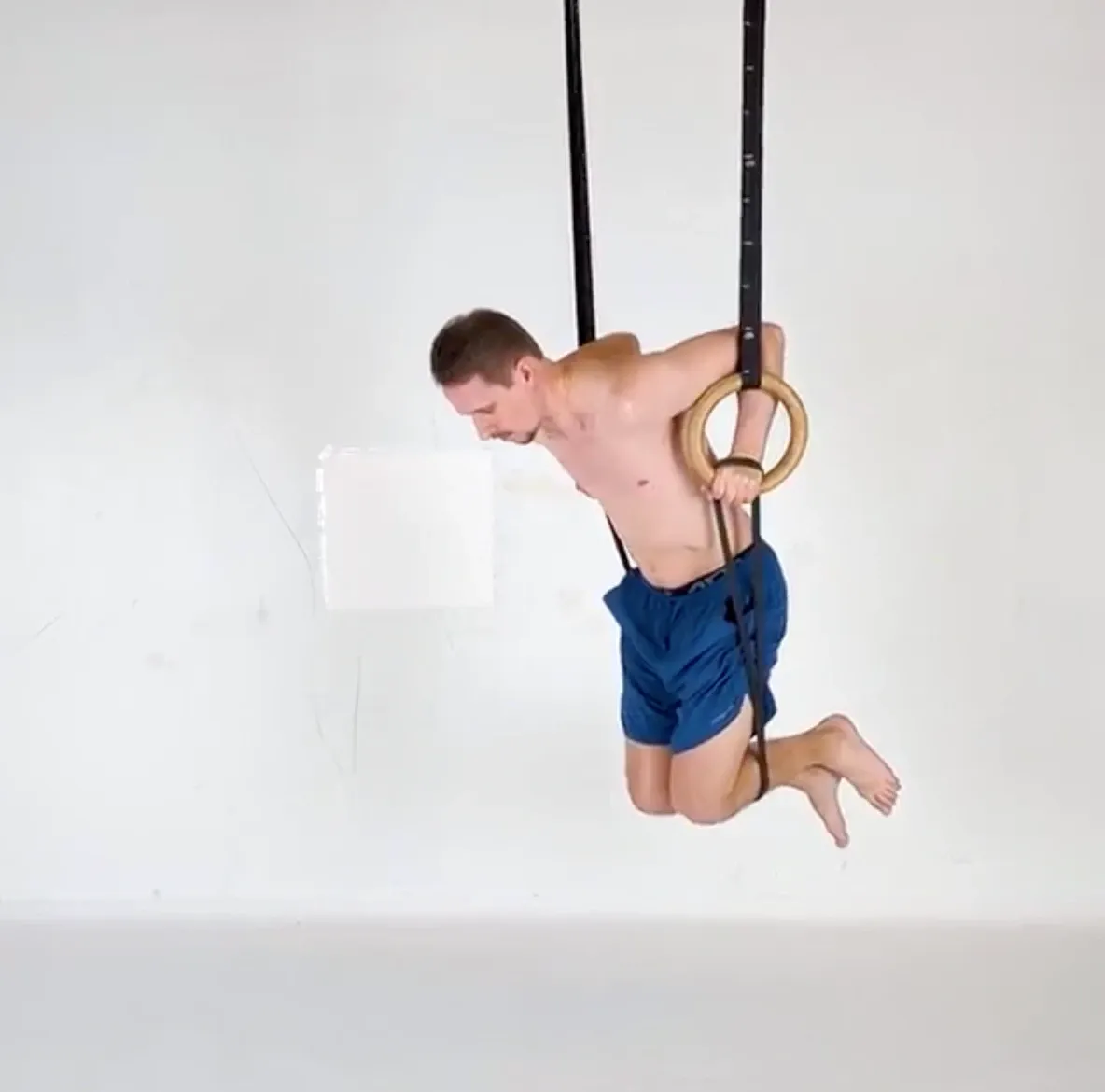
Band-assisted rings dip
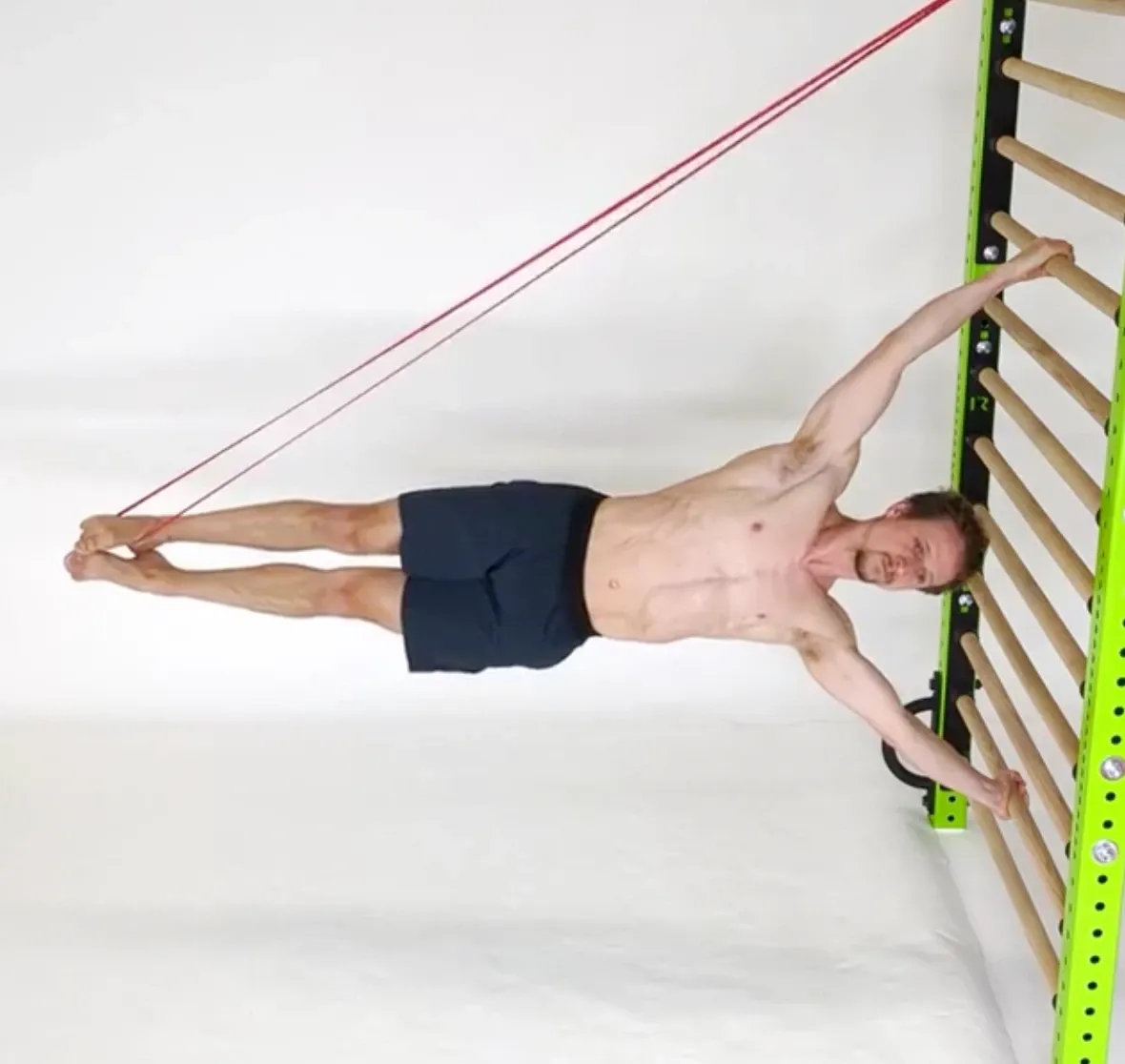
Band-assisted human flag

Band-resisted pistol squat
Many people challenge the effects of bands on strengthening, but what do the studies say? A meta-analysis led by former athlete and PhD student Dušan Stanković and other researchers involves 729 team sport athletes from 10 different countries. It compares the effects of resistance band training on lower limb explosive power, change of direction, jump height, and sprint speed. This review found a “large magnitude of improvement” in reactive strength and deceleration control, and enhanced propulsion during acceleration in athletes who trained with resistance bands. Another systematic review published in the open-access academic journal SAGE Open Medicine assesses the effects of tube bands and Therabands compared to weight machines and dumbbells. It concludes: “Elastic resistance training is able to promote similar strength gains to conventional resistance training.” While these studies have limitations such as small population sizes and restricted population samples, like only researching team athletes, they both have some level of diversity and a clear conclusion: bands are capable of providing a similar strain on muscles as conventional weight training, and therefore are effective for gaining strength.
A Staple in the Home-Gym and Physical Therapy
There is no overall color or resistance-force standard for bands but the resistance ranges are commonly color-coded. They are usually sold in packs of 3-5 bands with variable forces, so one pack is useful for everyone, from a beginner to an elite athlete. A pack with varied levels means loads of progress with one investment. Bands are affordable, with some packs in the $20-30 range (much more affordable than a home-fitness rig). They are also compact, making them perfect for on-the-go fitness needs! If you find yourself maxing out your thickest band, you can try stacking bands to add resistance. In Calistree, you can customize your personal band set by color and resistance, and record any band stacking.
A group of researchers published a study in the Journal of Orthopaedic & Sports Physical Therapy on the biomechanical effects of resistance by bands on the joints. The conclusion here was complex. It argued that elastic bands are convenient and effective, however, measuring the resistance progression is tricky. Firstly, the starting length of your band matters when estimating resistance. Secondly, the “joint torque” you actually feel is a combination of the force of the resistance, and the “moment arm”, which can be described as the perpendicular space between the line of action and the joint itself. This showcases that resistance changes throughout the range of motion. Lastly, bands also lose some of their resistance with repeated stretching. It is evident that measuring the true resistance in a band is impractical, and clinicians should be mindful of this when prescribing band exercises.
Conversely, physical therapists at EW Motion Therapy note advantages of bands like their low impact on joints and their adaptive resistance. It is believed that training with bands can encourage assistive muscle recruitment, making them suitable for beginners, injury rehabbers, and those who incorporate rehab into their fitness routine. In my experience as a Medical and Sports Massage Professional, I have personally witnessed clients’ capabilities and pain management improve with resistance band training; however, I highly recommend consulting your physician before pursuing resistance training.
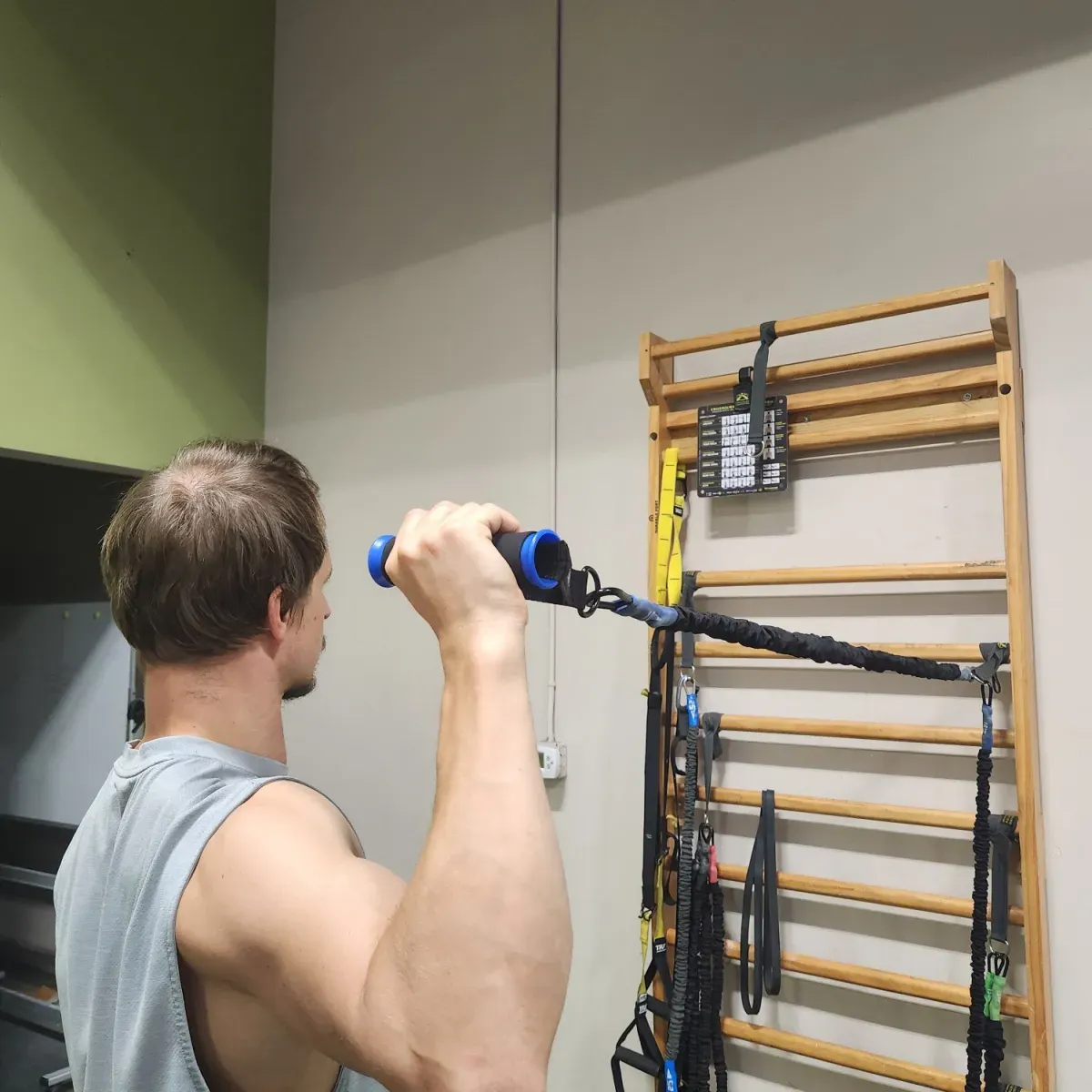
Tube bands, a long loop band and suspension straps on wall bars
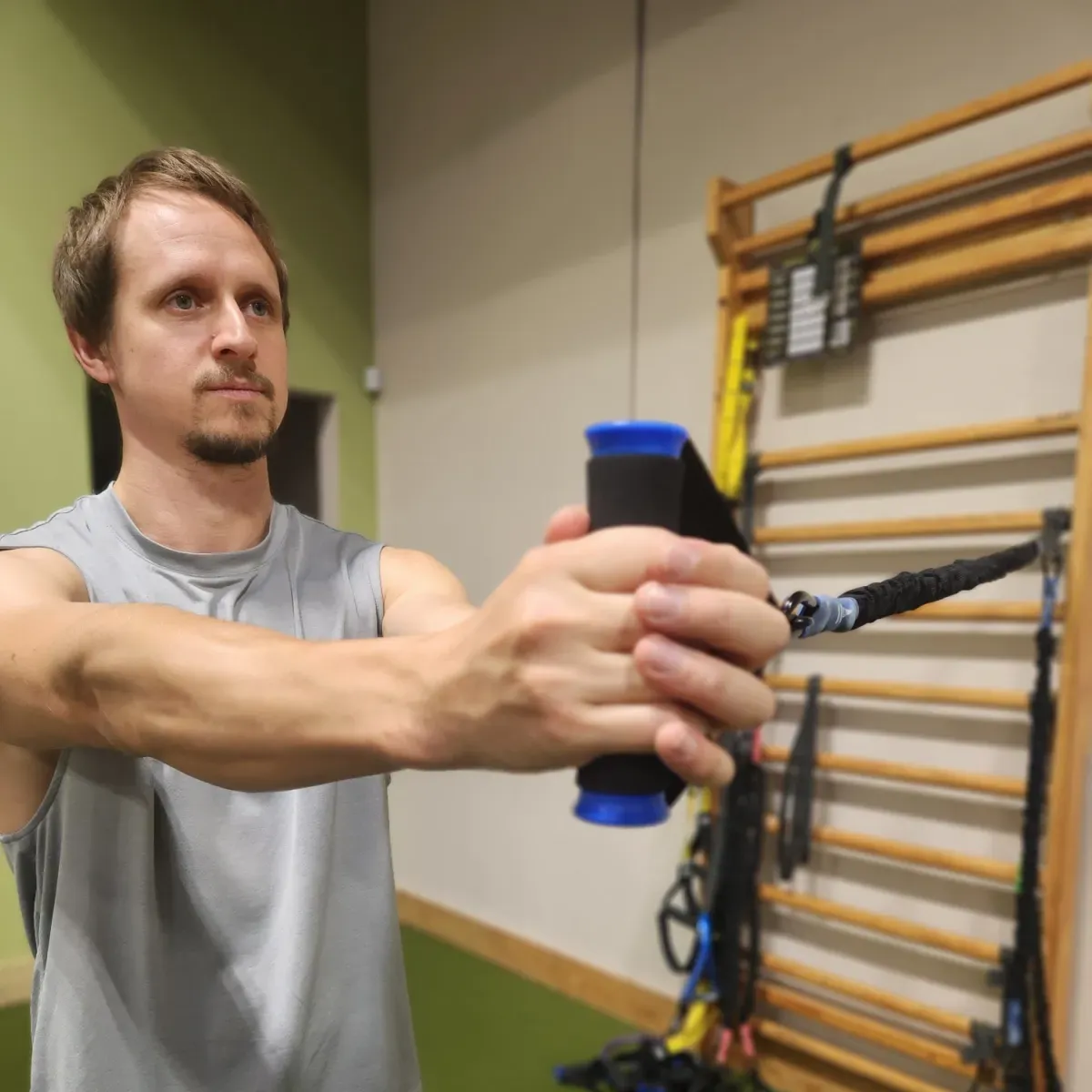
A tube band with a handle, anchored to wall bars
To Conclude
I know we covered a lot for such unassuming equipment, but our conclusion is that everyone varies in abilities and goals, and there is no indisputable truth that one modality is “better” than the other. Truly, it’s practice that makes progress, but if you’re looking for an affordable, portable, and versatile tool for your equipment profile, elastic bands may be for you! Stay safe and consistent!
Ready to try a resistance band routine? Click here
Sources
- Stanković, Dušan et al. “Effects of Elastic Band Training on Physical Performance in Team Sports: A Systematic Review and Meta-Analysis.” Journal of Functional Morphology and Kinesiology vol. 10,4 402. 17 Oct. 2025, doi:10.3390/jfmk10040402
- Santos Silva Lopes, Jaqueline & Machado, Aryane & Micheletti, Jéssica & Almeida, Aline & Cavina, Allysiê & Pastre, Carlos. (2019). Effects of training with elastic resistance versus conventional resistance on muscular strength: A systematic review and meta-analysis. SAGE Open Medicine. 7. 205031211983111. 10.1177/2050312119831116.
- Sayer, Amber. “8 Benefits of Using Resistance Bands in a Workout - Goodrx.” Edited by Christine Giordano, Goodrx, 11 Apr. 2025, www.goodrx.com/well-being/movement-exercise/resistance-bands-benefits.
- Simoneau, Guy G., et al. “Biomechanics of Elastic Resistance in Therapeutic Exercise Programs.” Journal of Orthopaedic & Sports Physical Therapy, vol. 31, no. 1, Jan. 2001, pp. 16–24, doi:10.2519/jospt.2001.31.1.16.
- “A Guide to Resistance Bands: Benefits, Safety Considerations, and Example Workouts.” EW Motion Therapy, EW Motion Therapy, 3 Nov. 2023, www.ewmotiontherapy.com/blog/resistance-bands-benefits.